Understanding the Role of Food in Cultural Exploration
Exploring a new culture often includes delving into its culinary traditions. Meals can tell stories of history, geography, and community, providing a rich context for understanding a region's lifestyle. In this article, we will explore how food plays a pivotal role in cultural exploration and how you can engage with local cuisine during your travels.
Food as a Cultural Identifier
Food often serves as a reflection of a region's history and values. According to culinary experts, traditional dishes can reveal much about the geography and climate of a place, as well as its historical influences. For example, the use of spices in various cuisines can often be traced back to trade routes or colonial histories.

"Food is not just sustenance; it's a cultural narrative that connects people to their past." - Culinary Expert
The Experience of Taste and Culture
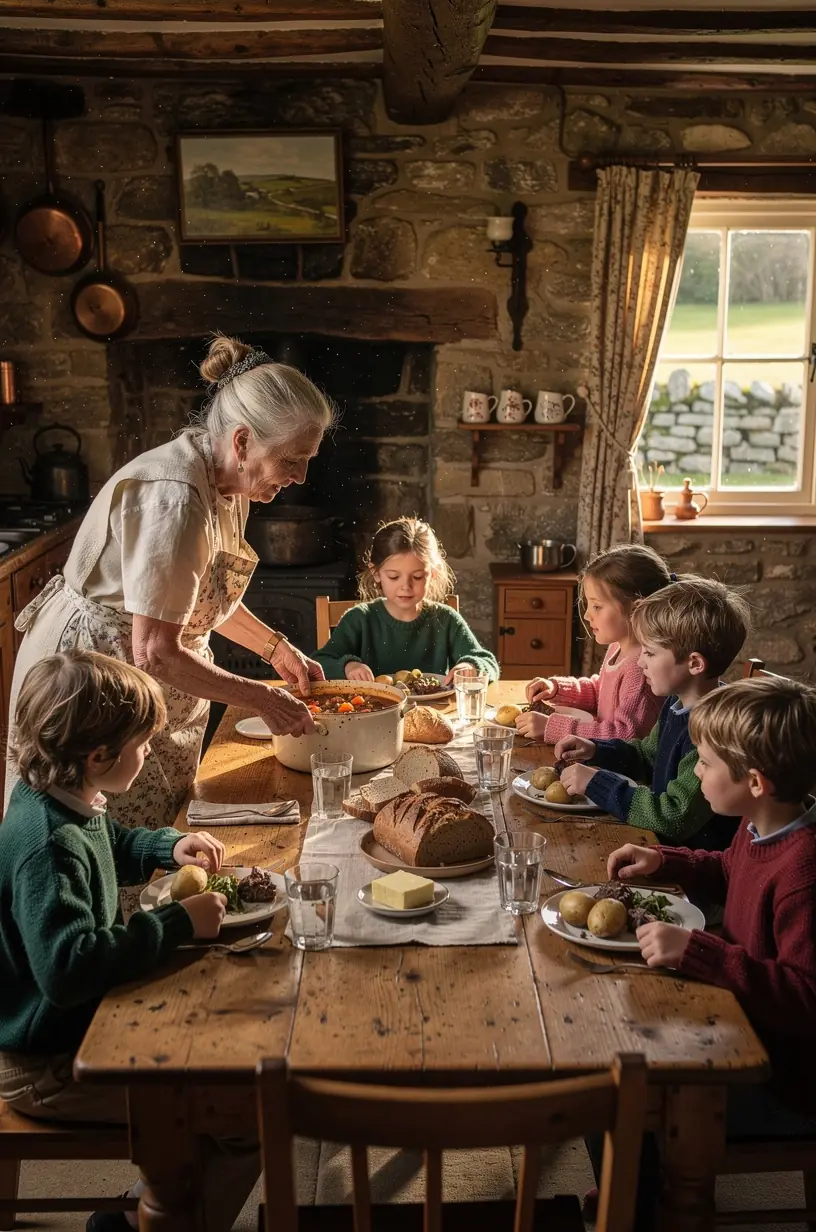
Experiencing local cuisine is not only about the taste; it also involves understanding the customs and traditions surrounding meals. Research indicates that communal eating can foster a sense of belonging and community. In many cultures, sharing food is a vital social ritual that strengthens relationships.
To make the most of your culinary exploration, consider these approaches:
- Engage with Local Guides: Utilizing local guides can enhance your understanding of regional cuisine. Many local experts offer food tours that highlight not just popular dishes but also the stories behind them.
- Participate in Cooking Classes: Participating in cooking classes allows travelers to connect with local chefs, gaining insights into traditional cooking methods and ingredient sourcing. This hands-on experience can deepen your appreciation for the cuisine.
- Visit Local Markets: Exploring local markets can provide a sensory experience like no other. Markets often reflect the rhythms of daily life and local agricultural practices, showcasing seasonal produce and regional specialties.
Challenges and Considerations
While immersing yourself in local cuisine can be rewarding, it's important to approach this experience with an open mind and respect for local customs. Some dishes might challenge your palate, and it’s essential to be willing to try new things. Additionally, keep in mind:
- Dietary restrictions or allergies may limit some culinary experiences, so communicate your needs clearly when engaging in food-related activities.
- Time commitments are necessary; many local culinary experiences, such as markets or cooking classes, can take several hours.
- Understanding that local dining customs can differ significantly from your own may enhance your experience, even if it feels unfamiliar at first.
Conclusion
Food is a powerful tool for cultural exploration, offering insights into the traditions and stories of a place. By engaging with local cuisine, whether through guided tours, cooking classes, or market visits, travelers can develop a deeper appreciation for the cultures they explore. Remember, the journey into a culture's culinary landscape requires respect, an open palate, and a willingness to learn.
Read On